
Medievalcore Aesthetic Surges: How Historical Motifs Are Redefining Modern Fashion and Craftsmanship
Introduction: The Return of the Medieval Dream
A surprise aesthetic revolution known as “Medievalcore” is emerging in an era dominated by hyper-digital minimalism. In the last year, consumer searches for the term have increased by more than 110%, indicating a significant cultural shift toward craftsmanship, nostalgia, and the mysteries of the Middle Ages.
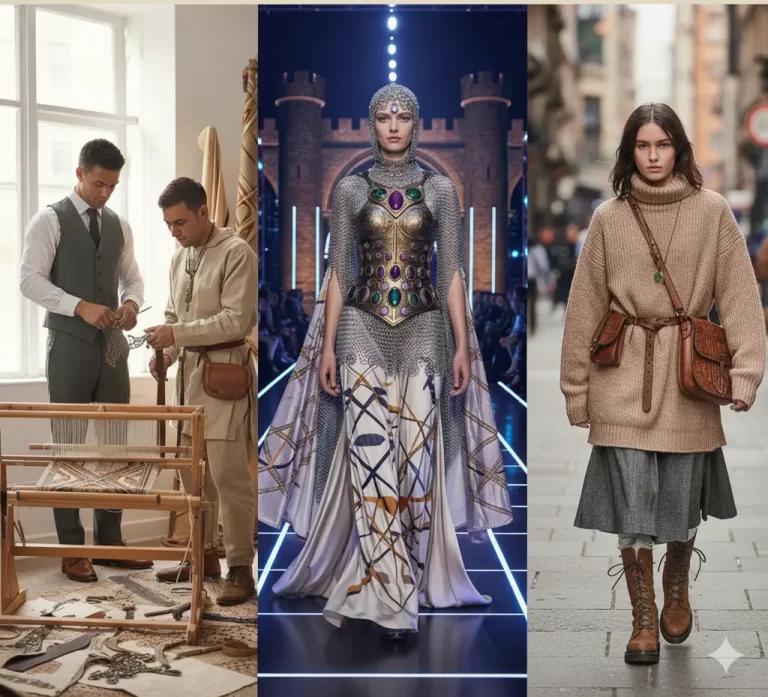
This style, which can be seen in everything from TikTok trend videos to high-end fashion runways, honors the richness of medieval beauty, including flowing dresses, elaborate armor, hand-forged jewels, and handmade leatherwork. Once the domain of historians and fantasy fans, this trend is increasingly popular, inspiring both a revival of historical handicrafts and fashion innovation.
This blog explores the growing fascination with this trend, its influence on global consumer behavior, and how artisans and designers are merging centuries-old craftsmanship with modern creative sensibilities. The trend also overlaps with other fantasy-inspired aesthetics such as Urban Fantasy, Medieval Fantasy, Fairy Grunge, and Goblin Core, which influence design choices and consumer interpretation.
[Source – Image courtesy of https://www.instagram.com/mossy_socks]
The Cultural Roots of the Medievalcore Renaissance
1. Escapism in a Modern World
Since the pandemic, consumers have been looking for heritage, authenticity, and a feeling of self. In a world where rapid fashion and artificial intelligence have taken over, medievalcore offers a creative retreat back to nostalgia, storytelling, and real workmanship.
Its appeal arises from the contrast with modern uniformity. Hand-tooled leather, brass jewelry, flowing designs, and textures that remind of chainmail encourage wearers to represent something classic rather than trend-driven.
This desire for escapism also drives the Fairy Grunge and Goblin Core movements, where fashion and lifestyle reflect mystical, natural, and imperfect aesthetics inspired by folklore and medieval history.
2. Digital Fantasy Meets Historical Reality
Platforms like Pinterest, Instagram, and TikTok have amplified this aesthetic, blending historical imagery with fantasy-inspired styling. Hashtags like #Medievalcore, #Cottagecore, and #RenaissanceFashion collectively drive millions of views.
This trend supports chivalry, courtly love, and the artistry of the medieval era, while Cottagecore glorifies rural simplicity. Real-world demand has emerged from the digital interest, as buyers look for handcrafted jewelry, corsets, swords, and tunics that combine fantasy with authenticity.
Many enthusiasts combine Medievalcore with Medieval Fantasy storytelling, bringing dragons, knights, and magical elements into their fashion and home decor.
How Designers Are Translating Medieval Aesthetics into Modern Fashion
1. Runway Revival
Leading fashion labels like Dior, Balenciaga, and Alexander McQueen have already adopted this trend by using chainmail detailing, puff sleeves, glittering embroidery, and structured corsetry.
These styles complement the broad yet understated style of modern couture while paying reference to medieval silhouettes.
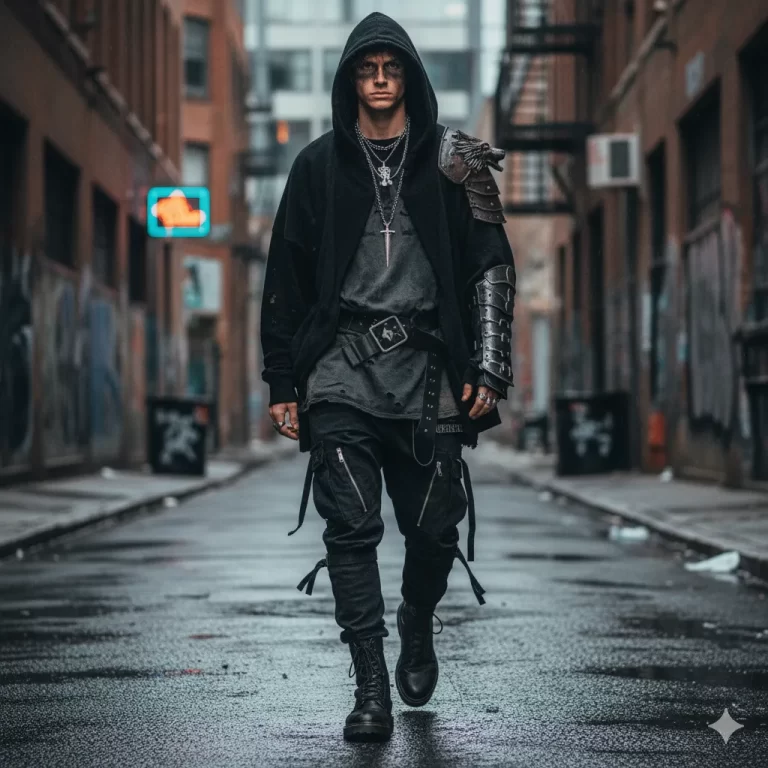
Urban Fantasy influences are visible in runway collections where futuristic silhouettes meet historical armor and accessories.
2. The Rise of Artisanal Collaboration
Brands are increasingly partnering with craftsmen and traditional workshops to revive forgotten techniques — from hand-forged metal buckles to naturally tanned leatherwork.
This collaboration aligns with consumer preference for slow fashion, where authenticity and longevity matter more than seasonal change.
Fairy Grunge aesthetics influence jewelry and accessory design, bringing raw, earthy tones and whimsical touches to these handcrafted pieces.
3. Everyday Medievalcore
Beyond haute couture, affordable labels and independent designers are reimagining medieval styles for daily wear. For example, consider lacing-covered linen dresses, leather belts with embossed designs, and brass jewelry with knightly themes.
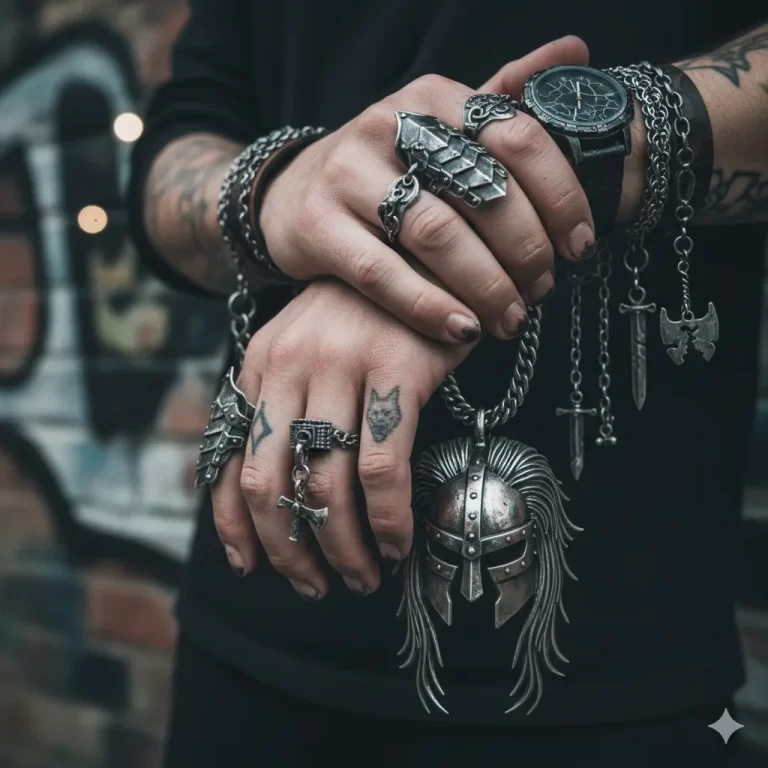
Handmade accessories in the medieval style have become increasingly popular on Etsy and small online boutiques, demonstrating that craftsmanship is more than a fashion trend.
Goblin Core enthusiasts appreciate the imperfect, natural textures and mossy colors incorporated into everyday Medievalcore fashion.
The Data Behind the Trend: Consumer Demand and Digital Search Insights
According to recent Google Trends and Pinterest Predicts data:
Searches for “Medievalcore outfits” rose 110% year-over-year.
“Knightcore fashion” and “Renaissance aesthetic” searches have surged by 90% and 75%, respectively.
Pinterest boards featuring “Medieval interior design” grew by 2x in 2025, driven by an interest in rustic metalwork and handcrafted furniture.
Etsy’s 2024 report shows a 68% increase in sales of handmade chainmail jewelry, armor replicas, and medieval-inspired clothing.
This data shows that Medievalcore is a cultural and commercial phenomena that is influencing a variety of businesses, including fashion, décor, and historical handicrafts, rather than just being a temporary trend.
The rise of Urban Fantasy and Medieval Fantasy in digital media has boosted interest in these aesthetics, inspiring consumers to bring imaginative elements into real-world fashion and décor.
The Artisan Renaissance: Traditional Techniques Reimagined
1. Revival of Hand-Forged Craftsmanship
There is a growing demand worldwide for artisans with skills in wood carving, leather tooling, and blacksmithing. Items that were previously thought of as unique, including armor, goblets, shields, and replica swords, are now desirable as statement pieces or luxury collections.
Brands like Doon Handicrafts and similar heritage-driven manufacturers have found new audiences among designers, collectors, and Amazon sellers catering to Europe’s nostalgia-driven market.
2. Sustainability Through Tradition
It’s interesting to note that this movement is naturally environmentally focused. Traditional crafts use low-waste, manual methods and natural materials including leather, linen, iron, and wood.
Unhappy with mass production, consumers are drawn to goods with a soul, a story, and obvious human effort.
3. Global Artisanship Meets Modern Distribution
Social media and e-commerce have made it possible for craftspeople to communicate directly with customers throughout the world. Once limited to regional fairs, historical craftsmanship is now growing online, combining traditional artistry with modern accessibility.
Interior Design and Lifestyle: The Expansion of Medievalcore Beyond Fashion
This aesthetic has also expanded into home décor, weddings, and lifestyle experiences.
Interiors: Consumers are attracted to handmade iron candlesticks, woven fabrics, and natural wood furnishings.
Events & Weddings: The popularity of themed events with medieval decorations, decorated banners, and knightly meal themes has increased dramatically.
Entertainment & Media Influence: The continued success of shows like The Witcher, House of the Dragon, and Game of Thrones further fuels the aesthetic’s mainstream appeal, connecting visual fantasy with real-world consumption patterns.
This growth shows that Medievalcore is becoming more than just a fashion trend; it is becoming a full-fledged cultural lifestyle movement.
Why Medievalcore Resonates: Psychology and Cultural Appeal
Authenticity Over Artificiality:In a world when technology is king, people desire for the tactile, imperfect beauty of handcrafted goods.
Connection to Heritage: Medievalcore creates a sense of continuity by connecting people in the present to their cultural or history
Empowerment and Symbolism: Armor-inspired fashion and sword-themed accessories symbolize strength and individuality.
Romantic Escapism: Dim lights, flowing dresses, and historical themes provide an enjoyable break from the busy pace of modern life.
This psychological connection transforms Medievalcore from a passing trend into a values-driven lifestyle movement.
The Business Opportunity: Why Brands Should Pay Attention
This data-driven momentum indicates a significant business opportunity in three verticals:
Fashion & Accessories – From independent Etsy merchants to designer brands, historical themes are generating a lot of interest and repeat business.
Handicrafts & Heritage Manufacturing – In a world of manufactured goods, traditional producers can use this trend to establish themselves as genuine storytellers.
Content & E-commerce Strategy – Brands can build authority by creating educational, storytelling-driven content around historical craftsmanship, attracting niche but loyal audiences.
By integrating SEO-driven storytelling, product authenticity, and digital reach, businesses can capture the surge in interest while strengthening long-term brand equity.
Conclusion: A Future Built on the Past
The rise of Medievalcore represents a cultural shift rather than just a fashion statement. Customers are embracing craftsmanship, legacy, and storytelling as they reject mass homogeneity. This change will be advantageous to designers, craftspeople, and companies that connect the past and present.
In a world that moves fast, the Medievalcore movement reminds us of something timeless: true artistry endures.
Be Part of the Medievalcore Movement
As Medievalcore continues to redefine fashion, interiors, and craftsmanship, authentic heritage products are becoming powerful statement pieces. From hand-forged weapons to artisan leather and metalwork, these designs connect modern lifestyles with centuries-old traditions.
Explore our historically inspired collections and discover how timeless craftsmanship can elevate your brand, collection, or creative vision.
 Browse our latest medieval and heritage-inspired products and stay ahead of the trend.