
3D Sword Design - The Forgotten Knight of Gdańsk: How a Medieval Discovery Revives the Art of Craftsmanship
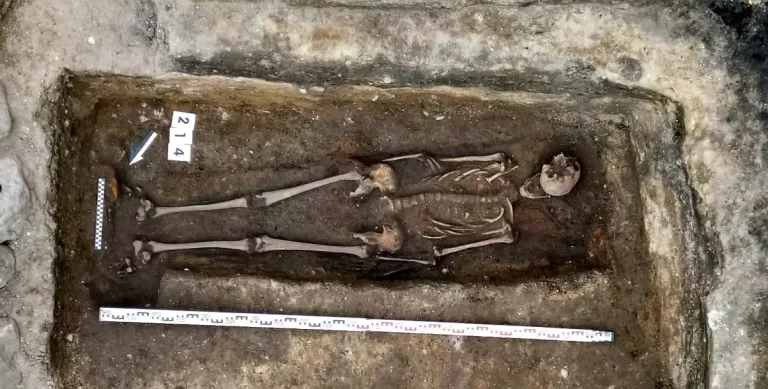
A peaceful building site in the Polish city of Gdańsk was transformed into a glimpse into the past in 2025. The grave of a medieval knight, preserved for more than seven centuries, was a stunning discovery uncovered by archaeologists beneath the foundations of a closed ice cream shop.
This remarkable discovery, which combines creativity, religion, and combat, has grown to be one of the most important archeological finds in Europe. Beyond its historical significance, it reflects something that is very important to Doon Handicrafts: the relationship between handicraft, archaeology, and history’s living legacy.
A Hidden Grave Beneath the Streets of Gdańsk
This amazing discovery is located in the Old Town of Gdańsk, beneath the former “Miś” ice cream shop at the intersection of Grodzka and Sukiennicza Streets. Before redevelopment, explorations started as part of a routine archaeological survey, but the experts were blown away by what they discovered.
A broken limestone tombstone with a carved image of a knight standing tall in chain mail, holding a sword and shield, appeared beneath the earth. The artwork was created in the late 13th and early 14th centuries, when Poland’s coastline was a center of trade, conflict, and religion.
The limestone, a highly valued medieval material, originated in Gotland, Sweden. Its foreign history shows that the knight buried here was wealthy and well-regarded; he was probably a commander or high-ranking warrior. Under the stone, archaeologists discovered a human skeleton that had been carefully preserved within a 23-field-stone rectangular frame.
The burial had no trace of weapons or personal belongings, but the carved slab by itself was evidence of his high position and serves as one of Europe’s most authentic relics of medieval craftsmanship.
Source – [https://edition.cnn.com/2025/07/23/science/medieval-knight-burial-poland-scli-intl]
Between Faith and Battle: The Context of the Discovery
In the 13th century, Gdańsk was a city in conflict, divided between the Teutonic Order, the growing Baltic commercial powers, and the native Polish kings. A crusading military order known as the Crusader Knights ruled over a large portion of northern Poland, influencing its politics, military tactics, and religious beliefs.
Given the time period of the tomb and its proximity to a medieval church constructed in 1140 CE, experts today assume that the knight may have served under or with the Teutonic or Crusader Knights. The blend of craftsmanship, religious symbolism, and martial imagery is very similar to the knightly customs of that time period.
For historians, this provides a glimpse into how medieval societies honored valor, faith, and craftsmanship — values that continue to inspire artisans today.
Bringing the Past to Life: 3D Modeling and 3D Sword Design in Archaeological Research
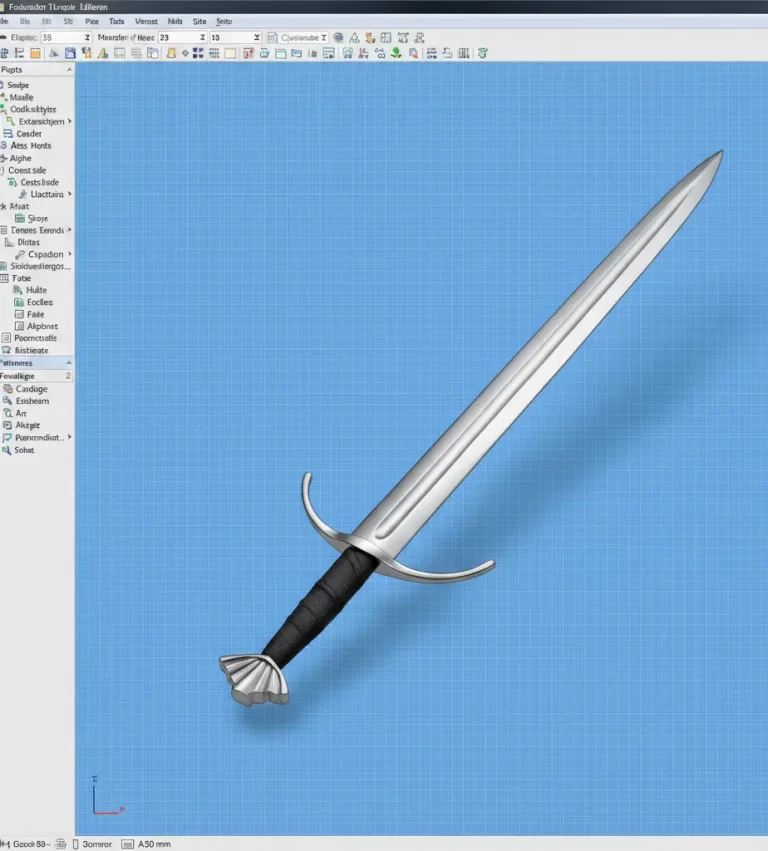
One of the most exciting aspects of this discovery is how modern science is helping preserve it. The Archaeological Museum in Gdańsk has begun creating a 3D digital model of the tombstone and burial site, allowing researchers to study every detail without disturbing the remains.
Through advanced imaging and ancient blade 3D model reconstruction, scientists can estimate the knight’s age, and even identify signs of battle injuries or lifestyle patterns. DNA and isotopic tests may soon reveal his origins — whether local or a foreign knight serving the Teutonic cause.
At Doon Handicrafts, we admire this blend of technology and history. It reflects how 3D Sword Design can breathe new life into ancient craftsmanship, preserving details time nearly erased.
From Ancient Burials to Modern Craftsmanship
Our work at Doon Handicrafts is rooted in the same passion for authenticity that drives archaeologists to uncover the past. Just as they reconstruct lost histories, our artisans revive traditional forging techniques once used by medieval swordsmiths and armorers.
Every sword we forge, every helmet we shape, carries echoes of medieval Europe’s artistry — from the curve of a blade to the engravings symbolizing loyalty and honor. We believe in crafting history you can hold.
Archaeological finds like the Gdańsk knight remind us that craftsmanship was more than function — it was identity. A sword was not just a weapon; it was a story forged in steel.
Integrating 3D Modeling Into Our Craft Process
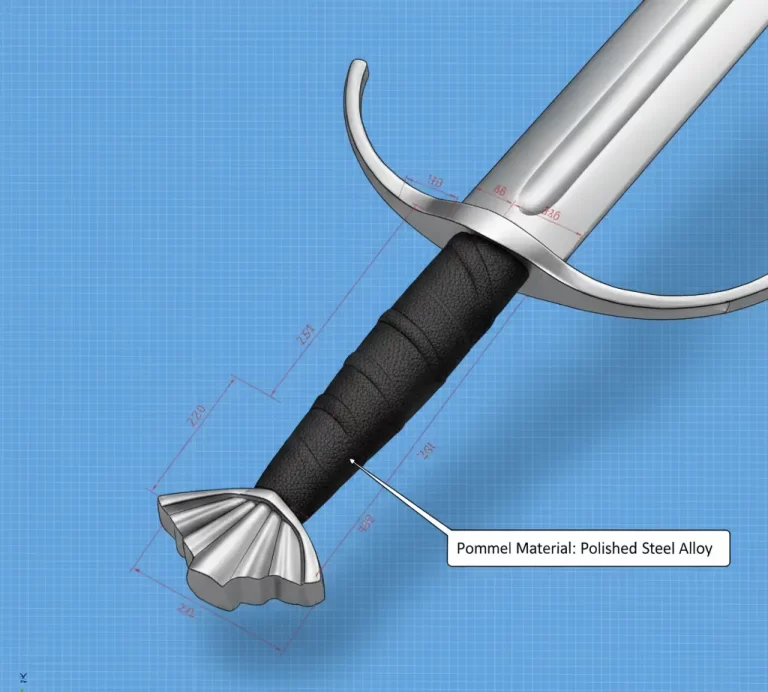
To ensure authenticity and precision, we have integrated 3D sword design into our design and production process. By digitally reconstructing historical weapons and armor from museum references and excavations, we recreate every curve, proportion, and engraving with scientific accuracy.
How We Blend Precision with Tradition
Historical Accuracy: Our models are based on verified archaeological data, ensuring every curve mirrors authentic ancient blade 3D models and medieval forms.
Design Validation: 3D visualization refines structural strength before metalwork begins.
Material Simulation: We replicate the weight, texture, and balance of period materials.
Artisan Interpretation: Craftsmen translate these digital models into tangible masterpieces using hammer, forge, and anvil.
Each virtual model serves as both a design tool and a historical archive, bridging the gap between past and present. Where archaeologists digitize tombs to protect relics, we digitize heritage to recreate it in living form — ensuring history thrives not just in museums but in the hands of collectors and reenactors.
How Doon Handicrafts Adopts & Leverages the 3D-to-Craft Pipeline
At Doon Handicrafts, 3D sword design is more than a design tool — it’s a bridge between archaeology and artisan skill. Our workshop uses this pipeline to create swords, armor, axes, and other historical replicas with precision and authenticity.
A. Know Your Goal: Display vs Functional
Every project begins with clarity on purpose:
Museum or Decorative Replicas: Prioritize visual fidelity and historical accuracy over mechanical strength.
Functional or Theatrical Pieces: Emphasize stress resistance, balance, material choice, and joining techniques to ensure safe, usable replicas.
B. Protocol & Workflow Standardization
We maintain a structured process to guarantee consistency and traceability:
Capture Phase: Set standard scanning resolution, overlap percentage, and reference points.
Version Control: Label scans, models, and revisions systematically.
Data Storage: Each ancient blade 3D model Use robust storage (including cloud backups) for high-fidelity scans.
Artifact Metadata: Record provenance, site, context, and condition so each replica ties back to its real-world source.
Documentation & Transparency: Log all digital adjustments to preserve integrity and invite scholarly critique.
C. Blending Technology and Artistry
Technology provides the precise shape and dimensions, but human hands bring life:
Artisan Finishing: Hammer marks, edge patterns, and weathering recreate the look and feel of medieval craftsmanship.
Craft Signature: Small, intentional variations make each piece unique — something collectors truly value.
Balanced Approach: The digital model serves as a foundation, while the artisan adds soul, ensuring replicas are accurate yet lively.
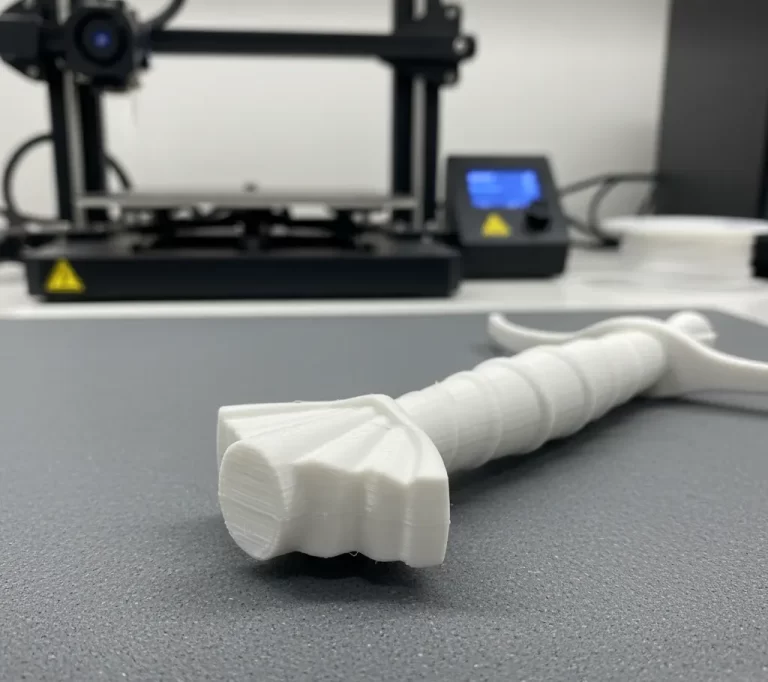
This approach allows us to honor history while creating objects that can be touched, used, and appreciated, keeping the spirit of medieval craftsmanship alive for modern collectors, reenactors, and museums.
The Broader Impact: Why This Matters for Heritage & Craft
A. Preserving Originals Safely
Fragile relics remain protected while replicas allow students, museums, and communities to handle and display history without risk.
B. Expanding Access
3D Sword designs and digital models can be shared worldwide, letting remote institutions order or even produce replicas locally.
C. Supporting Comparative Research
Researchers can compare ancient blade 3D models from different sites to study design patterns, repairs, trade, or regional styles.
D. Boosting Cultural Tourism & Craftsmanship
Replicas of swords, armor, and Crusader knight gear other items are marketable in museum shops or artisan markets, generating revenue to support preservation.
E. Enhancing Learning & Engagement
Hands-on replicas, combined with AR/VR experiences, transform passive exhibits into interactive learning, letting students better grasp historical weight and function.
Crafting Authenticity: The Doon Handicrafts Philosophy
The story of the Gdańsk and medieval knight reflects what we stand for at Doon Handicrafts: precision, respect for heritage, and passion for detail. Our artisans draw inspiration from real historical sources, not fictionalized designs.
Core Principles That Define Our Craft
Research-Driven Design: Every piece begins with academic study and verified references.
Handcrafted Excellence: Each sword, shield, or armor component is manually forged — no mass production, only mastery.
Cultural Integrity: We preserve European and Viking artistic languages through authentic motifs and forging styles.
Sustainability of Skill: Training new artisans ensures that centuries-old techniques endure.
Just as the knight’s tombstone immortalized valor through craftsmanship, we ensure every handcrafted piece reflects the spirit of its era.
Why Archaeology Matters to Modern Craft
Every archaeological discovery is a message from history a record of how people lived, fought, and created. These finds are not just academic curiosities; they are living blueprints for craftsmanship, storytelling, and resilience.
When archaeologists uncover a medieval knight’s relic or sword hilt or a knight’s grave, they don’t just reveal bones or stone they reveal the design language of a civilization. For artisans like us, these discoveries are both teacher and muse.
They show us how to forge steel with meaning and craft artifacts that capture the soul behind medieval warfare.
Reviving Heritage Through Craft and Technology
The knight of Gdańsk is not just a symbol of medieval valor — he represents the dialogue between past and present. His tombstone tells of devotion, artistry, and the eternal bond between man and material.
Our work ensures that what was once buried beneath centuries of dust now lives again not as relics, but as living tributes to the craftsmanship that defined medieval Europe.
Through every product, we honor those who shaped the blades, shields, and armor of the past bringing their stories back to life with precision and authenticity.
Experience the Future of Historical Craftsmanship
From archaeological discoveries to advanced 3D reconstruction, the way we preserve and recreate history is evolving. At Doon Handicrafts, we combine digital precision with traditional hand-forging to bring lost designs back to life transforming historical inspiration into authentic, tangible creations.
Explore our research-driven swords, armor, and heritage collections and discover how technology and craftsmanship work together to revive the past.
 Browse our latest historically inspired designs and experience the next era of artisan craftsmanship.