
Types of Viking Swords: History, Uses & Materials (Full Guide)
When buyers search for “Viking swords,” they’re usually seeing modern product names like “Type H” or “Ulfberht-style” without understanding what those labels actually mean. From a historical and technical standpoint, Viking swords are a clearly defined family of weapons with specific types, uses, and materials.
This guide breaks down the main historical types of Viking swords, how they were used in combat, and what they were really made from — based on archaeology and academic typology, not fantasy.
What Exactly Is a Viking Sword?
Archaeologists use “Viking sword” for the typical sword used in Scandinavia and surrounding regions from roughly the late 8th to 11th century CE. Key features include:
Length: about 90–100 cm overall, with a broad blade around 70–80 cm.
Blade: straight, usually double-edged, optimized for powerful cuts with some thrusting ability.
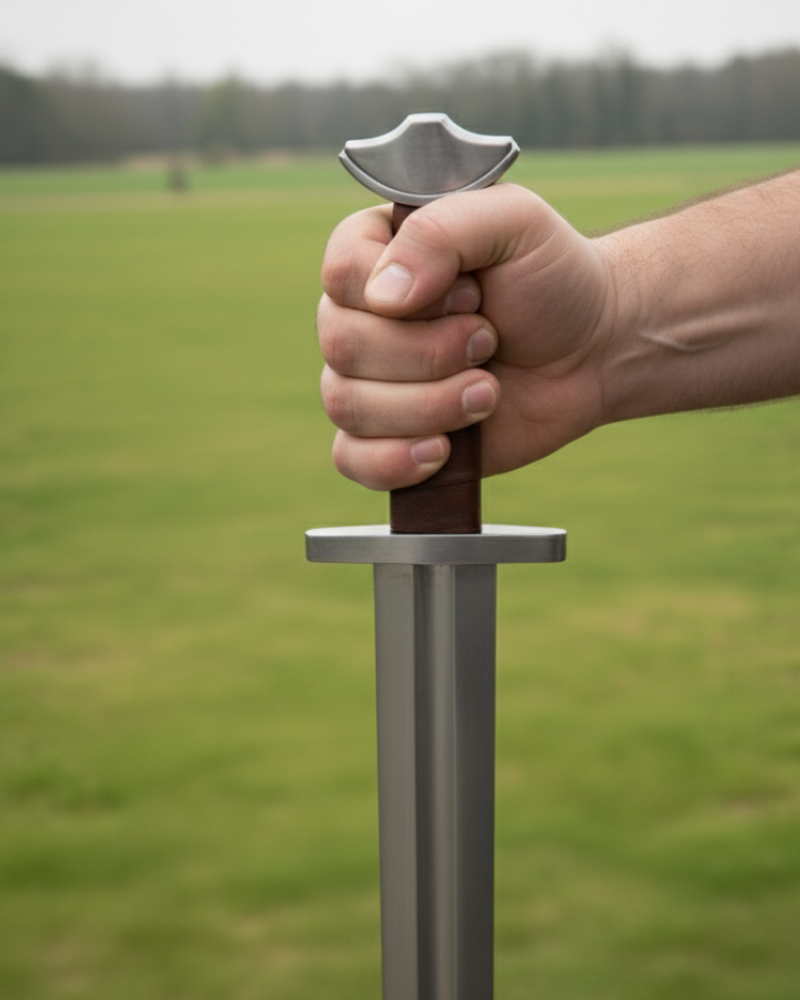
Hilt: short grip, low guard, and a distinctive multi-lobed or trilobate pommel.
Role: expensive weapon, typically owned by elites; spears and axes were more common among ordinary warriors.
So when we talk about “types of Viking swords,” we’re not just inventing categories for marketing. We’re referring to real archaeological typologies, above all the work of Norwegian archaeologist Jan Petersen.
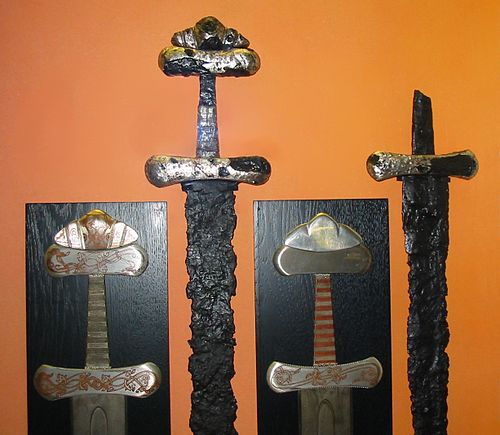
How Historians Classify Viking Sword Types
In 1919, Jan Petersen published De Norske Vikingesverd (“The Norwegian Viking Swords”), where he analyzed over 1,700 swords and created the typology still used today.
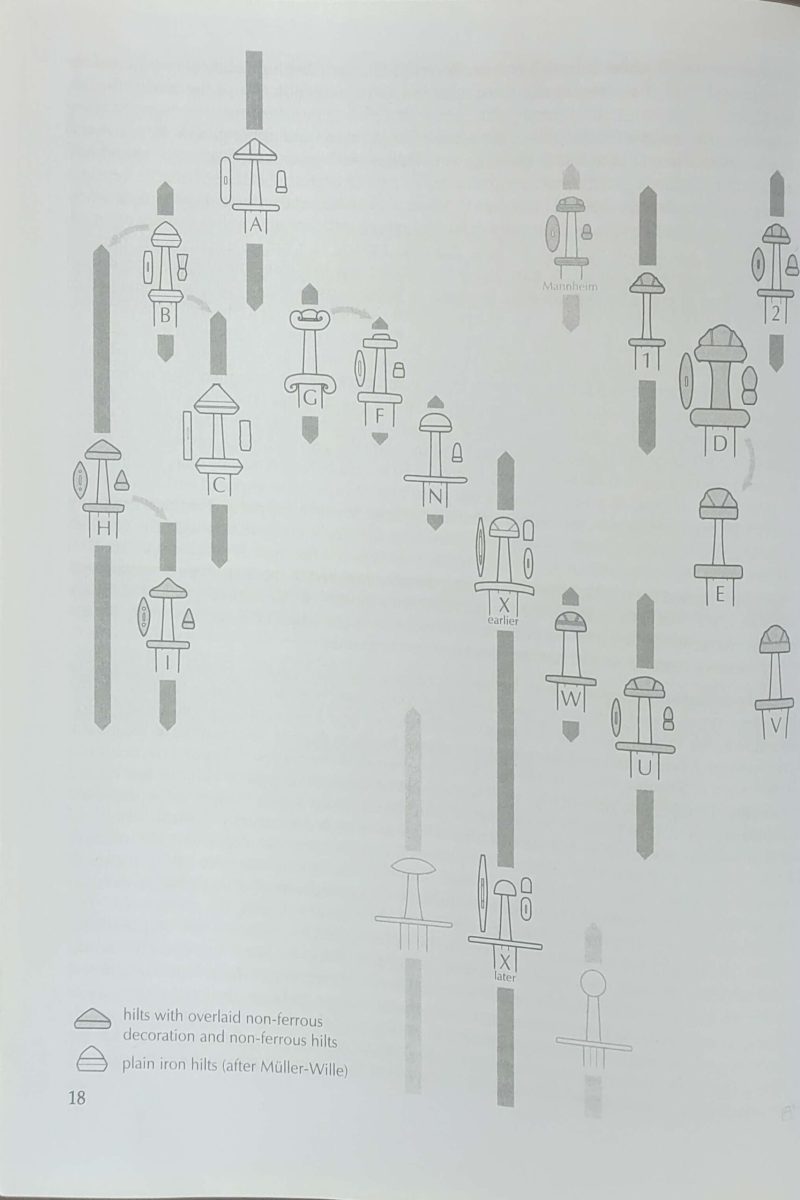
Petersen Typology: 26 main hilt types, labelled A–Z, based on pommel and guard shapes.
Later, scholars built on this to connect Viking swords with earlier Migration-period weapons and later medieval knightly swords.
For buyers and makers, going into all 26 letter-types isn’t always practical. Instead, it’s more useful to cluster them into functional and visual groups. Below are the core groups most relevant for modern collectors, reenactors, and brands.
Main Types of Viking Swords
1. Classic Double-Edged Viking Sword
(The “standard” Viking sword most people imagine)
History & Development
These are the iconic swords of the Viking Age — broad, double-edged blades with short hilts and lobed pommels. Many Petersen types fall into this family (for example Type H, K, S, and others).
Common from 9th–10th century CE across Scandinavia, Britain, and the Continent.
Often buried in high-status graves, indicating prestige and ownership by chieftains and wealthy warriors.
Work: How Were They Used?
From a combat-utility perspective, these swords are:
Primarily cutting weapons – wide, relatively thin blades with a broad fuller make them ideal for powerful slashes.
Capable of short thrusts – the tip geometry allows finishing blows, but they’re not optimized like later arming swords or rapiers.
Designed for shield-based combat – used in combination with round shields, targeting limbs, neck, and unprotected gaps in armor.
Materials and Construction
Early in the Viking Age, many double-edged swords used pattern-welded cores – twisted bars of iron and steel forge-welded together, often with higher-carbon steel edges added for cutting performance.
Core: wrought iron / low-carbon steel (tough and flexible).
Edges: higher-carbon steel for hardness and sharpness.
Surface: visible, wavy “wood-grain” patterns from the pattern welding.
By the later Viking Age, as steelmaking improved, we start seeing more homogeneous steel blades without pattern welding, but still with high-quality cutting ability.

2. Single-Edged Viking Swords
(Looking “halfway” between a large seax and a sword)
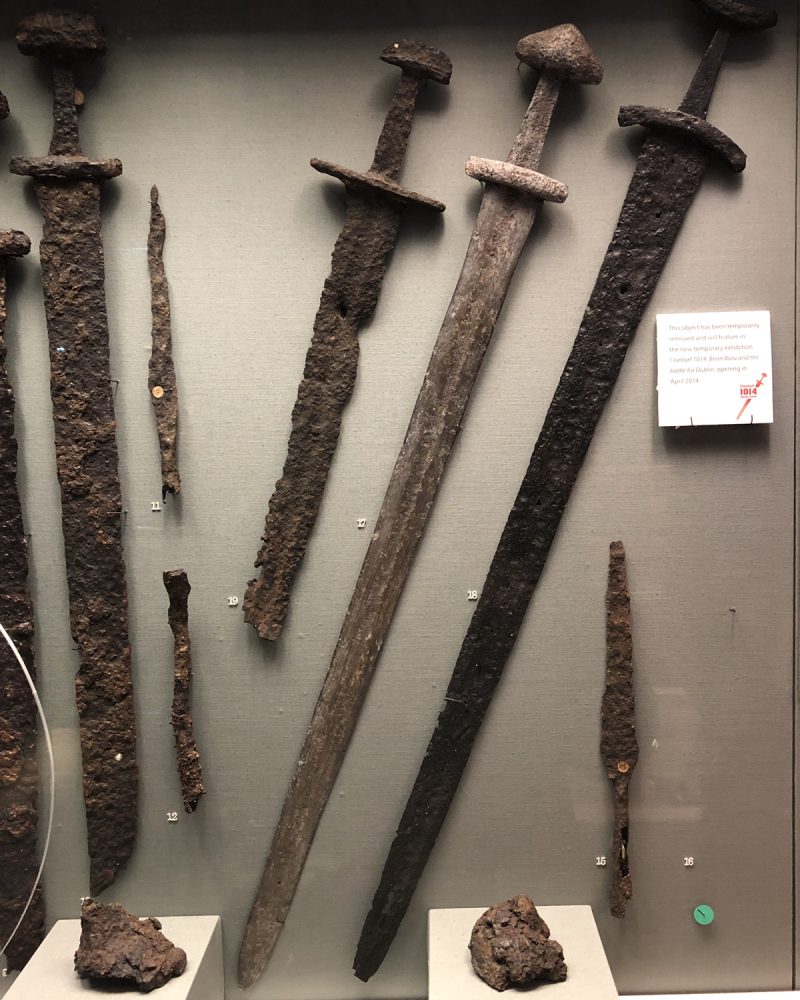
Not all Viking swords were double-edged. Archaeological studies show a significant group of single-edged swords, often classified in Petersen typology (e.g., Type M).
History & Context
Excavations in Norway and elsewhere reveal single-edged blades with classic Viking sword hilts, dating from the 9th–10th centuries.
One well-documented example is a 91 cm single-edged Viking sword, showing local Norwegian manufacture and burial as a grave good.
Work: Where Did They Excel?
From a use-case standpoint:
Weighted for chopping: the single edge allows a slightly thicker spine and powerful cleaving cuts, especially effective against unarmored or lightly protected targets.
Simplified edge maintenance: with only one edge to sharpen, such swords are straightforward to maintain in the field.
Possible regional or cultural preferences: they may come from local traditions or be meant to be used more like big knives or sabers, but they are still considered “swords.”
Materials
Like double-edged types, single-edged Viking swords typically used:
An iron-and-steel composite structure, with pattern-welded parts in earlier versions.
Steel edges with a softer core, balancing toughness and hardness — exactly what you want for a working war blade.
3. Pattern-Welded & Decorated Elite Swords
(Premium “flagship” weapons: Petersen Type D, Type S, and others)
The highly decorated, pattern-welded Viking swords have always been at the top of the market. These frequently match highly decorated Petersen hilt types with multi-lobed pommels, silver inlays, and intricate guard designs, such Type D or Type S.
History & Status
Swords were status symbols, not just tools. Contemporary research emphasizes that many of the most lavish swords likely belonged to elite warriors, nobles, and chieftains.
Some blades carry inscribed names such as “+VLFBERH+T” (Ulfberht), associated with exceptionally high-quality steel and long-distance trade, possibly from the Frankish regions.
Work: Beyond Combat
These swords obviously functioned in battle, but their business case was broader:
Combat performance: pattern-welded and high-carbon edges still deliver reliable cutting, good resilience, and impressive visual presence in the melee.
Symbolic capital: inscriptions, silver and copper inlay, and complex hilts signal rank and networks of gift-giving and alliance.
Heirlooms & ritual: many such swords appear in graves or hoards rather than everyday loss contexts, indicating long-term ownership and ritual deposition.
Materials and Technology
Pattern welding: twisted rods of iron and steel forge-welded into a patterned core with steel edges — the hallmark of early and mid-Viking Age elite blades.
High-quality steel: some Ulfberht blades test as exceptionally clean, high-carbon steel, in some cases comparable to crucible steel.
Hilt materials: iron or bronze cores with overlays and inlays of silver, copper alloy, and sometimes gold, plus organic grips (wood covered in leather or textile).
If you want to design or buy “premium Viking swords” today, historically the closest benchmark is this class: pattern-welded, richly decorated, double-edged swords with elite-level finish.
4. Transitional Viking–Medieval Swords
(Late Viking Age blades moving toward knightly arming swords)
By the late 10th and 11th centuries, some swords start to bridge the gap between classic Viking forms and later medieval arming swords.
Historical Typology
Scholars identify types that blend Viking hilts with blades trending toward narrower, more thrust-friendly forms, eventually leading to high medieval swords.
Blade typology tracks this evolution from early broad Viking blades to later, longer and more tapered medieval blades.
Work & Functional Shift
Operationally, these swords:
Retain strong cutting capability but begin to emphasize better thrusting performance.
Reflect the changing battlefield, with more mail armor and different combat styles in the high medieval period.
Perfect for designs that must appear “Viking-adjacent” yet function more like later arming swords, sit at the nexus of Viking and knightly cultures.
Materials
By this late phase:
As a result of advancements in smelting and forging technologies, pattern welding is declining and more blades are constructed of comparatively homogeneous steel.
Construction still prioritizes the mix of hardness and resilience — usually a tempered steel blade rather than elaborate pattern-weld cores.
What Were Viking Swords Actually Made Of?
Viking swords are the product of clever forging combined with bloomery iron/steel technology if we ignore contemporary marketing and concentrate only on metallurgy.
Blade Materials
Archaeometallurgical studies show that many Viking swords combine:
Cores made of wrought iron – low carbon, tough, and flexible.
Higher-carbon steel edges – for a hard, sharp cutting surface.
Pattern-welded bars in early and mid-Viking Age swords, creating both structural layering and a decorative pattern.
Pattern welding is not just cosmetic; it also helps homogenize steel and manage impurities in early iron.
Hilt Materials
Based on information from excavations and synthesis studies of Viking swords:
Guards and pommels: iron or steel cores, sometimes cast or forged bronze; high-end pieces with silver, copper, or precious-metal inlays.
Grip: wood core (often now decayed in finds), likely wrapped in leather, textile, or thin cord for traction.
Scabbards: wooden core with wool or textile lining, covered with leather and sometimes fitted with bronze or iron chapes and lockets.
For historically aligned reproduction or product design, the “authentic” material stack looks like:
Iron/steel composite blade + organic grip + simple or decorated iron/bronze hilt fittings + leather-covered wooden scabbard.
Modern Reproductions of Viking Sword Types
From a commercial and UX perspective, most modern “Viking swords” on the market fall into three buckets that map loosely to the historical types above:
Entry-level classic double-edged swords – visually inspired by Petersen forms, usually mono-steel, designed for reenactment or cutting practice.
Single-edged or seax-inspired swords – hybrids for buyers who like the Viking aesthetic but prefer a big chopper.
Premium pattern-welded / “Damascus” Viking swords – modern pattern-welded mono-steel bars that visually echo Viking pattern welding, often paired with ornate hilts and historical inscriptions.
If you’re specifying or validating such products, the key is alignment with documented typologies and material logic – not random fantasy shapes.
Summary: Key Takeaways on Types of Viking Swords
From a historical and technical lens, the Viking sword ecosystem is structured and well-documented:
Classic double-edged swords (the core Viking type) dominate finds and are the backbone of Petersen’s typology.
Single-edged swords show that Viking warriors also used blades closer to heavy knives, while still carrying “sword” status.
Elite pattern-welded and decorated swords — including famous Ulfberht blades — combine advanced metallurgy with high-status symbolism.
Transitional late Viking swords link the Viking Age to the age of the knightly arming sword.
Which Type of Viking Sword Fits Your Style?
From powerful cutting blades to elite pattern-welded swords, each Viking sword type reflects different battlefield roles, status, and craftsmanship. Modern reproductions vary widely in accuracy, balance, and material quality.
Compare real historical designs and explore how different Viking sword types translate into modern reproductions.
 Browse our Viking sword range and find the design that matches your interest.