
Medieval swordsmithing is a timeless craft that blends artistry, engineering, and history. With renewed interest sparked by the popular webtoon Absolute Sword Sense, enthusiasts are eager to understand how legendary swords are made. From raw steel to a finished blade, every stage of the swordmaking process requires precision, skill, and patience.
This guide walks you through traditional swordsmithing techniques, providing a detailed look at each step and highlighting the craftsmanship that makes these weapons iconic.
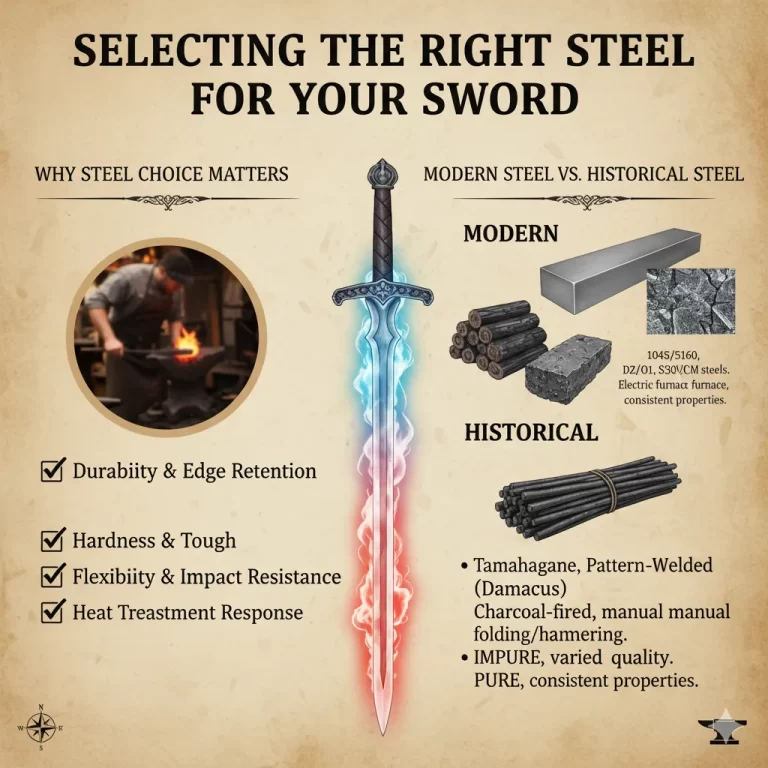
The foundation of any exceptional sword begins with selecting the right steel. The choice determines the blade’s durability, flexibility, and ability to hold a sharp edge.
High-carbon steels historically offered the best balance of hardness and resilience. Lower-carbon steels provided toughness but were less capable of holding an edge. For modern swordsmiths, the steel must be free from impurities, uniform in composition, and suitable for the intended purpose—whether decorative or functional.
While medieval smiths relied on naturally forged carbon steels, contemporary artisans often use modern alloys designed to replicate historical properties while offering consistent quality. The steel forms the heart of the blade, making this step critical for both performance and aesthetics.
Historical Note: In medieval times, steel was often blended manually using different iron sources, a painstaking process that could take days. This gave swords unique characteristics,The smith’s local materials and techniques are frequently reflected, something that contemporary steel attempts to duplicate.
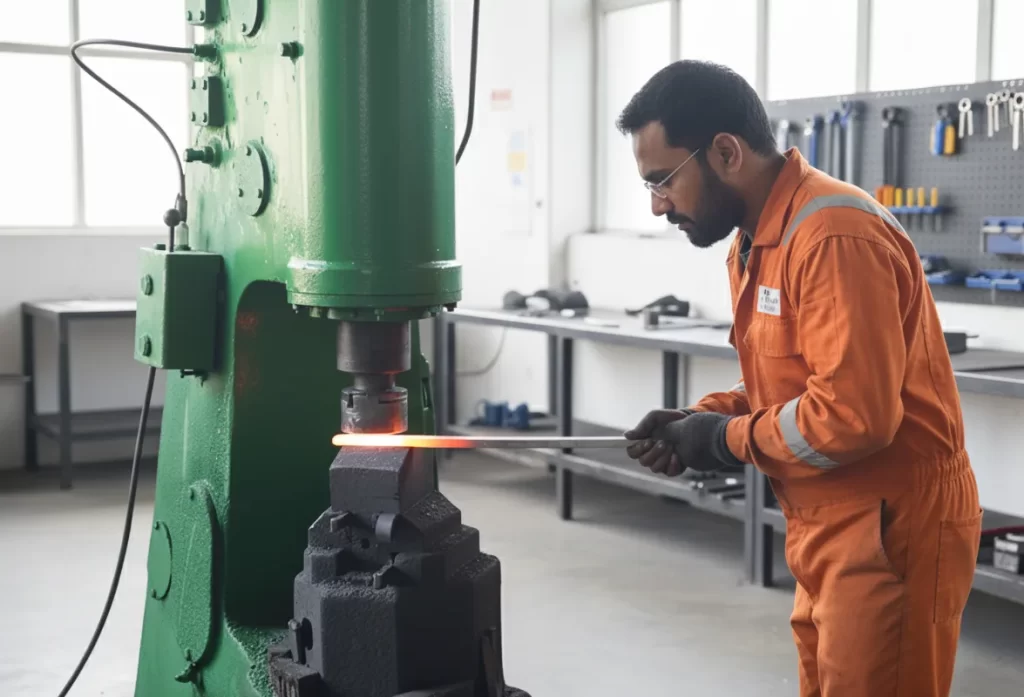
Once steel is selected, the raw bar undergoes stock removal. This process reduces the material to approximate the sword’s length, width, and thickness.
Historically, smiths heated the steel and hammered it repeatedly to achieve the desired dimensions. Each strike shaped the blade while ensuring structural integrity.
Today, many artisans combine traditional forging with precision grinding to achieve consistent results. This stage is crucial, as even slight deviations can affect the sword’s balance and handling. In Absolute Sword Sense,The importance of blade shape in combat reflects this practical idea.
Additional Insight: Stock removal was also an opportunity for smiths to evaluate the steel for hidden flaws. A slight crack could determine the difference between a battle-ready blade and a discarded one.
With the stock prepared, the swordsmith refines the blade, defining the tang, spine, and cutting edge. Hollow grinding, or creating fullers, reduces weight and improves balance.
A properly hollow-ground blade offers the perfect combination of lightness and durability. Attention to detail at this stage ensures a functional and visually striking sword, much like the carefully crafted blades shown in Absolute Sword Sense.
Tempering is the process that gives the blade its unique combination of hardness and flexibility. After shaping, the blade is heated to a precise temperature and quenched to achieve the desired properties.
Experienced smiths perform controlled tests to verify the temper. This step requires skill and attention, mirroring the concept in Absolute Sword Sense that a sword’s quality reflects the skill of its wielder.
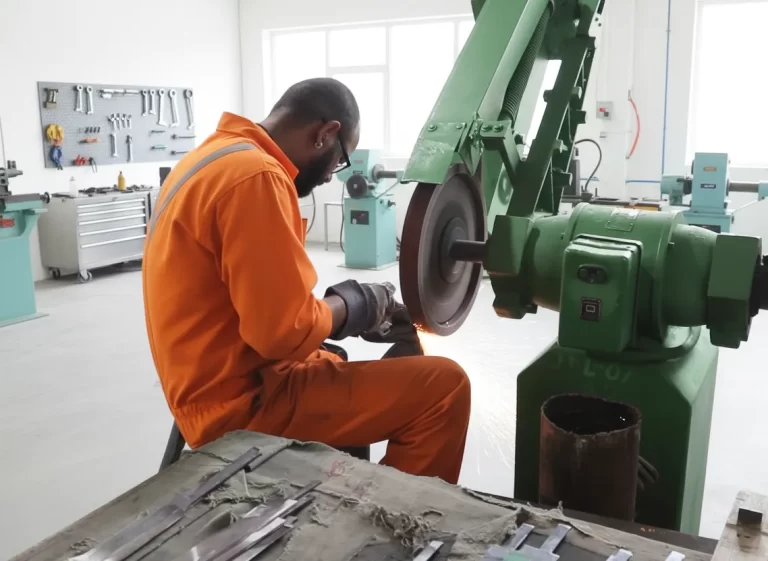
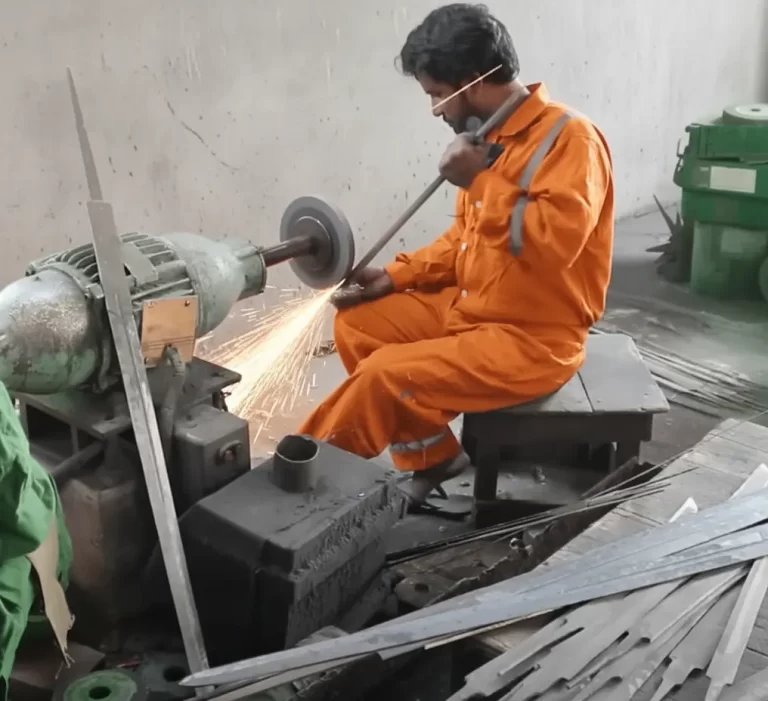
Polishing transforms a functional blade into a work of art. It removes minor imperfections, sharpens edges, and reveals subtle patterns in the steel.
A polished blade reduces friction, enhances cutting performance, and highlights craftsmanship. Just like in Absolute Sword Sense, these final touches make the blade both functional and visually striking.
Extra Note: Polishing was often the longest phase for traditional smiths, sometimes taking days. A perfectly polished blade was not only practical but a symbol of the smith’s pride and reputation.
Once polished, the sword is assembled with its hilt, guard, and pommel. Components must fit perfectly to ensure balance and functionality.
Fitting the Hilt, Guard, and Pommel
Traditional swords often feature hand-wrapped grips and detailed fittings. The assembly process combines precision engineering with artistic flair.
Functional swords undergo tests for balance, edge retention, and resilience. Even decorative swords are checked to maintain quality and safety. This stage confirms that the blade is ready for use, reflecting the careful attention to detail that was highlighted in Absolute Sword Sense.
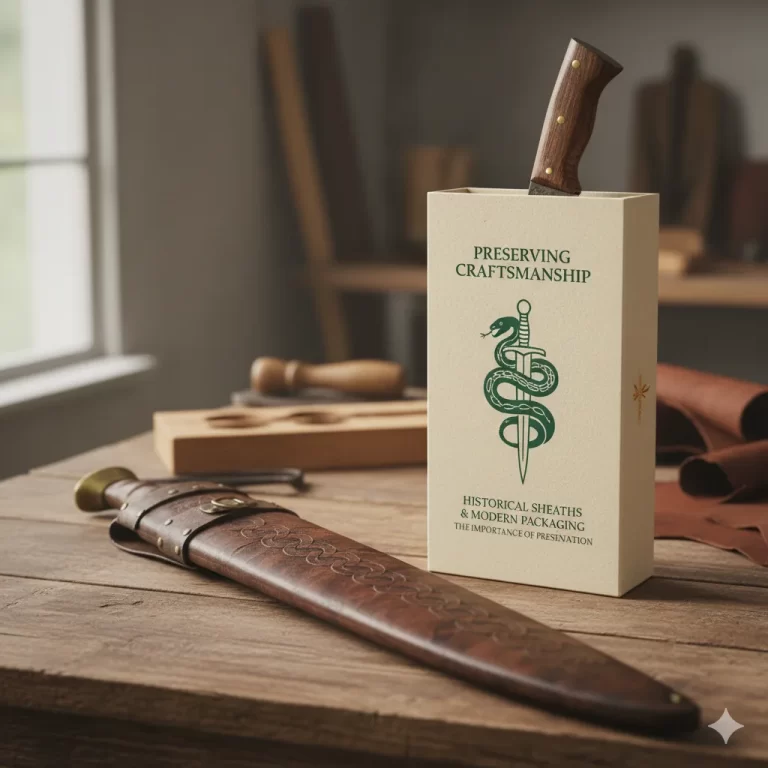
Proper packaging protects the sword during transport and enhances its presentation.
Traditionally, swords were stored in leather or wooden scabbards. Modern packaging often combines protection with aesthetic appeal, signaling quality and professionalism.
High-quality packaging not only safeguards the blade but also elevates customer experience, which is critical for collectors, sellers, and enthusiasts.
Insight: Many collectors value original-style sheaths as much as the blade itself, making packaging an integral part of the sword’s perceived value.
Stories that combine imagination and historical authenticity have contributed to the renewed interest in historical swordcraft. Series like Absolute Sword Sense showcase the connection between skillful swordsmanship and the quality of the weapon, inspiring fans to learn about the craft behind the blades.
Cultural Perspective: Many times, swordsmithing was a lifetime craft that was passed down through the generations. Each blade carries a legacy, a fact that modern audiences are increasingly drawn to, especially those exploring history through media and reenactment.
Exploring traditional swordsmithing techniques deepens appreciation for the craft and allows enthusiasts to understand why some swords endure for centuries while others fail.
Medieval swordsmithing is a legacy of skill, patience, and artistry. From raw steel to polished, functional blades, every stage reflects centuries of refinement. For collectors, re-enactors, or fans inspired by Absolute Sword Sense, learning about these processes provides insight, inspiration, and a deeper connection to the timeless art of the sword.

We use cookies to improve your experience on our site. By using our site, you consent to cookies.
Websites store cookies to enhance functionality and personalise your experience. You can manage your preferences, but blocking some cookies may impact site performance and services.
Essential cookies enable basic functions and are necessary for the proper function of the website.
These cookies are needed for adding comments on this website.
Statistics cookies collect information anonymously. This information helps us understand how visitors use our website.
Google Analytics is a powerful tool that tracks and analyzes website traffic for informed marketing decisions.
Service URL: policies.google.com (opens in a new window)
You can find more information in our Cookie Policy and Terms and Conditions.