Doon Handicrafts

Did Vikings Ever Use Chainmail?

Did Vikings Ever Use Chainmail? A Complete Historical, Cinematic & Cultural Breakdown

The question “Did Vikings ever use chainmail?” unlocks a deeper discussion about early medieval warfare, craftsmanship, trade networks, and social hierarchy. It has always symbolized elite status across Europe, and when applied to Viking history, it reveals a more complex reality than popular culture suggests.

Across sagas, archaeology, and museum evidence, one conclusion is clear: yes, Vikings did use it—but only a small segment of elite warriors had access to it.

This expanded guide covers:

  • Historical sources

  • What type of chainmail Vikings used

  • Real artifacts in museums

  • Modern-day use

  • How films, series, and games portray it

  • What productions use instead of real chainmail

  • A full summary and expert view

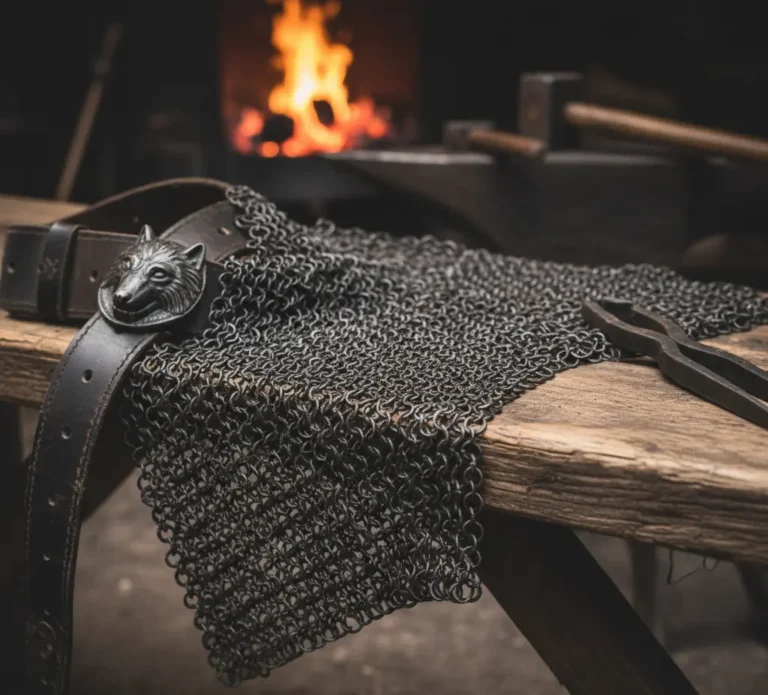
chainmail

Why This Question Matters

It wasn’t just armor. It represented:

  • Wealth

  • Rank

  • Mobility constraints

  • Craftsmanship level

  • Trade connections

Understanding whether Vikings used it helps build a more accurate picture of their material culture.

Most movies show leather-clad barbarians, but real Viking elites were far more advanced in warfare technology than popularly imagined.

Did Vikings Use Chainmail? Short, Clear Answer

Yes—Vikings used it. But very few had it.

It(called brynja) was extremely expensive, time-consuming to craft, and required significant metallurgical expertise. This made it an item mostly for:

  • Jarls

  • Household guards

  • Wealthy merchants

  • Kings and warband leaders

It was never standard for the average Viking raider.

Historical Sources Confirm Chainmail Use

Multiple lines of evidence prove Viking chainmail existed.

1. Norse Sagas

Sagas reference:

  • Brynja (mail coat)

  • Járnbrynja (iron mail)

  • Armored champions and elite warriors

Even though sagas exaggerate, they reflect real cultural norms and material objects.

2. Foreign Chroniclers

Key medieval writers described Viking armor:

  • Annals of Fulda mention iron-armored Vikings

  • Anglo-Saxon Chronicle records armored Norse raiders

  • Ibn Fadlan describes Rus warriors with metal armor

These independent sources reduce bias and confirm widespread recognition of Viking chainmail.

3. Archaeological Evidence

Archaeology is the most reliable validation.
Excavations have revealed:

  • Riveted rings

  • Mail shirt fragments

  • Mail-making tools

  • High-status warrior burials containing mail pieces

These finds solidify the historical reliability of literary accounts.

Why Viking Chainmail Was Rare

Economic Factors

It required:

  • 20,000–40,000 rings

  • Skilled riveting

  • High-purity iron

A single shirt could take weeks to forge.

Material Constraints

Vikings relied heavily on bog iron.
Not all regions had:

  • Stable iron supply

  • High-quality smelting operations

Practical Considerations

Chainmail weighs 8–14 kg, affecting:

  • Raiding speed

  • Long-distance travel

  • Ship mobility

This made it an elite item rather than standard gear.

What Type of Chainmail Did Vikings Use?

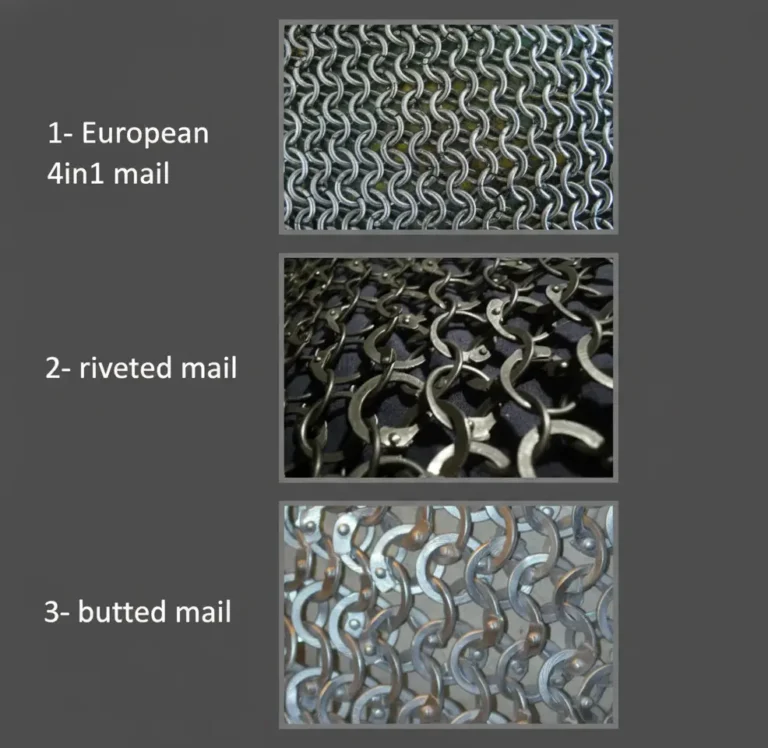
1. European 4-in-1 Mail Pattern

The most common type. Durable, flexible, and widely used across medieval Europe.

2. Riveted Rings

Found in:

  • Birka

  • Gjermundbu

  • Ribe

Riveted mail offers superior battlefield performance.

3. Butted Mail (Rare, Cheaper)

Used in:

  • Repairs

  • Lower-budget armory

  • Possibly by semi-professional warriors

4. Typical Length & Features

Most Viking mail:

  • Covered the torso

  • Sometimes reached mid-thigh

  • Often paired with a helmet and shield

Full-body mail was NOT Viking practice.

Real Viking Chainmail: What Museums Hold Today

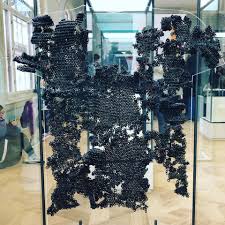
1. Gjermundbu Mail Shirt (Norway)

Found with Scandinavia’s ONLY complete Viking helmet.
Indicates a high-ranking warrior.

2. Birka Chainmail Fragments (Sweden)

Multiple graves contain:

  • Imported armor

  • Locally made rings

  • Elite warrior gear

3. Ribe Mail Workshop Evidence (Denmark)

Riveted rings + forging tools show domestic manufacturing capability.

4. Museums Displaying Viking Mail

You will find real fragments in:

  • National Museum of Denmark

  • Swedish History Museum

  • Viking Ship Museum Oslo

  • Hedeby Museum (Germany)

These artifacts give the clearest, most credible confirmation.

How Common Was Chainmail in Viking Armies?

Estimated distribution:

  • Elite warriors: 10–15%

  • Experienced raiders: 1–5%

  • Common fighters: 0–1%

The vast majority relied on:

  • Shields

  • Quilted gambesons

  • Leather layers

It was strictly for the top tier.

Regional Differences in Chainmail Use

Norway

Higher usage due to strong aristocratic structures.

Denmark

Heavy Frankish trade → better access to mail and raw materials.

Sweden

Mix of European and Rus influences; elite graves show diverse armor.

Iceland

Minimal armor evidence due to limited resources and different social dynamics.

Modern-Day Presence of Viking Chainmail

Museums

Authentic fragments appear in Scandinavian exhibitions.

Reconstruction Communities

Reenactors use:

  • Riveted steel

  • Historically accurate 4-in-1 patterns

Craft Revival

Blacksmiths recreate mail using:

  • Authentic techniques

  • Hand-riveted rings

  • Historically correct metallurgy

This keeps Viking-era craftsmanship alive.

Actual Reality of Viking Chainmail

Limited but Authentic

Only elites used it.

Symbol of Rank

Mail showed wealth, authority, and social distinction.

Not Used on Every Raid

Viking warfare was fast and mobile. Many leaders preferred lighter loadouts.

Backed by Archaeology

Fragments, tools, and saga descriptions all point to real usage.


How Viking Chainmail Is Used in Movies, Web Series & Games

This is where historical reality and pop culture heavily diverge.

Movies: Visual Impact Over Accuracy

When Movies Show Chainmail

Films like:

  • The 13th Warrior

  • Outlander

  • Valhalla Rising

feature it, but usually simplified versions.

When They Don’t

Many movies use:

  • Studded leather

  • Heavy fur

  • Decorative layers

Because leather looks dramatic on screen and is cheaper for costume teams.

Web Series: Some Accuracy, Some Creative Freedom

Vikings (History Channel)

Uses occasionally for elites.
Mostly relies on:

  • Leather armor

  • Fur shoulders

  • Decorative stitching

This “Viking aesthetic” is cinematic, not historical.

The Last Kingdom

More accurate approach:

  • Mail for nobles

  • Gambesons for soldiers

  • Minimal fantasy embellishments

Games: High Detail, High Artistic License

Assassin’s Creed Valhalla

Heavy armor sets, fantasy upgrades, visually rich designs.

God of War

Minimal real chainmail, more mythic-themed armor.

Skyrim & RPGs

Fantasy chainmail → exaggerated for:

      • Player progression 
      • Visual identity 
      • World-building

What Productions Use Instead of Chainmail

1. Leather Armor (Common but Historically Incorrect)

Used because it:

  • Looks rugged

  • Is easy for actors to move in

  • Has a distinct silhouette

2. Gambesons

Light, flexible padded armor—more accurate than leather.

3. Fur & Cloth Layers

Used for dramatic cold-weather visuals.

4. Fake

Made from:

  • Rubber

  • Foam

  • Aluminum

  • Plastic rings

Lightweight and camera-friendly.

Why Real Chainmail Is Rare in Modern Productions

Weight: 8–14 kg causes actor fatigue.

Safety: Real rings can cause injuries in stunt scenes.

Cost: Hundreds of extras = expensive.

Aesthetics: Directors prefer dramatic leather silhouettes

Full Summary

  • Vikings DID use chainmail, but only elites.

  • Confirmed by sagas, foreign chroniclers, and archaeology.

  • Mostly the 4-in-1 riveted ring pattern.

  • Real mail fragments exist in multiple museums.

  • Movies and games distort Viking armor heavily.

  • When chainmail isn’t shown, productions use leather, fur, padded jackets, or fake mail.

Conclusion: What Viking Chainmail Really Tells Us

Viking chainmail stands as a high-value indicator of how warfare, economics, and craftsmanship intersected during the early medieval era. The evidence confirms that chainmail was not standard equipment, but rather a premium protective asset used by the upper tier of Viking society—chieftains, elite warriors, professional retainers, and individuals with strong trade connections. Its limited availability underscores the economic realities of the time, where the production of a single hauberk required extensive labor, specialized skill, and consistent access to iron resources.

Today, chainmail continues to drive global fascination across museums, reenactment groups, and pop-culture platforms. This ongoing interest fuels a broader commercial ecosystem, from authentic replicas to cinematic wardrobe design. In digital entertainment—games, series, and films—it shapes modern imagination, even when creators replace it with lighter or stylized alternatives. This sustained visibility fuels consumer curiosity and supports the historical-craft industry.

Ultimately, chainmail’s legacy extends well beyond battlefield utility. It symbolizes a blend of technological capability, social hierarchy, and cultural exchange. Its presence in both archaeological finds and modern storytelling ensures that Viking chainmail remains a central narrative thread in understanding how the Vikings fought, lived, and projected power across Europe.

Explore Historically Inspired Viking Armor and Chainmail

Understanding the difference between cinematic armor and real Viking protection is the first step toward choosing authentic gear. Our armor and chainmail collections are developed using archaeological research, museum references, and traditional construction methods to reflect how elite warriors actually equipped themselves.


From riveted mail to historically inspired helmets and shields, discover designs influenced by real Viking-age craftsmanship.


👉 Explore our Viking armor and chainmail range and see how historical accuracy meets modern durability.